WHAT IS FREEDOM? / THE GREAT FIREWALL
The Great Firewall
Ai Weiwei Breaks Through and Spills the Beans
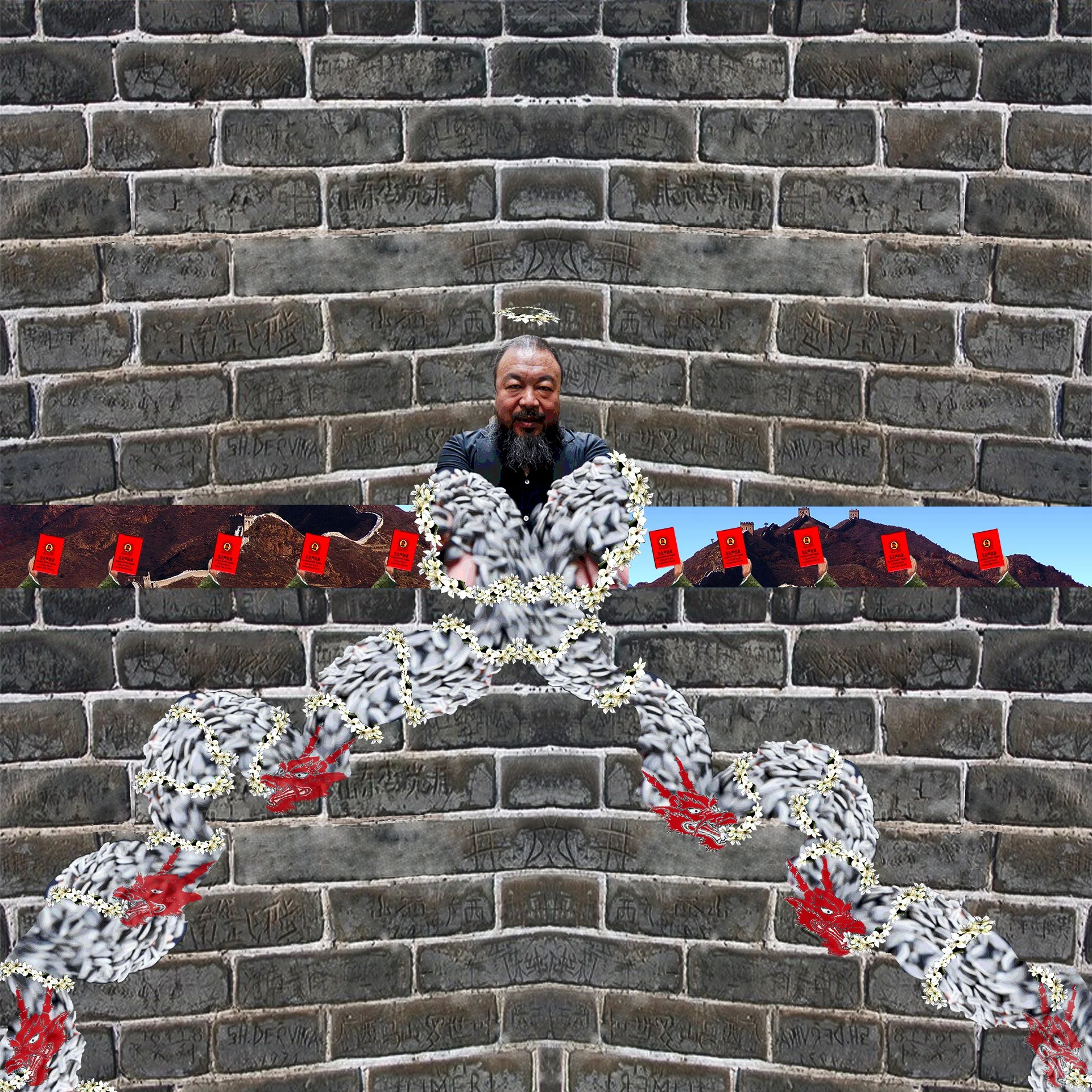
A journey to China became a question about what we are allowed to see.
Something was missing
The encounter that began the series
It started with a trip to China. I wasn't thinking about making a series when I went. I was traveling, looking, meeting people and trying to understand a place very different from my own.
One of our guides was a young woman in her twenties with an advanced university education. She had visited Los Angeles, where Chinese people she knew showed her photographs of Tiananmen Square and told her what had happened there.
She was stunned. How could she have spent years at major universities and never once have been told about it?
What stayed with me wasn't only what had been kept from her. It was the moment she realized that something could be missing from her understanding of the world - and she hadn't known it was missing.
What happens to the way we see the world when someone else controls what we are allowed to see?
The Little Red Book
Political authority, memory and cultural loss
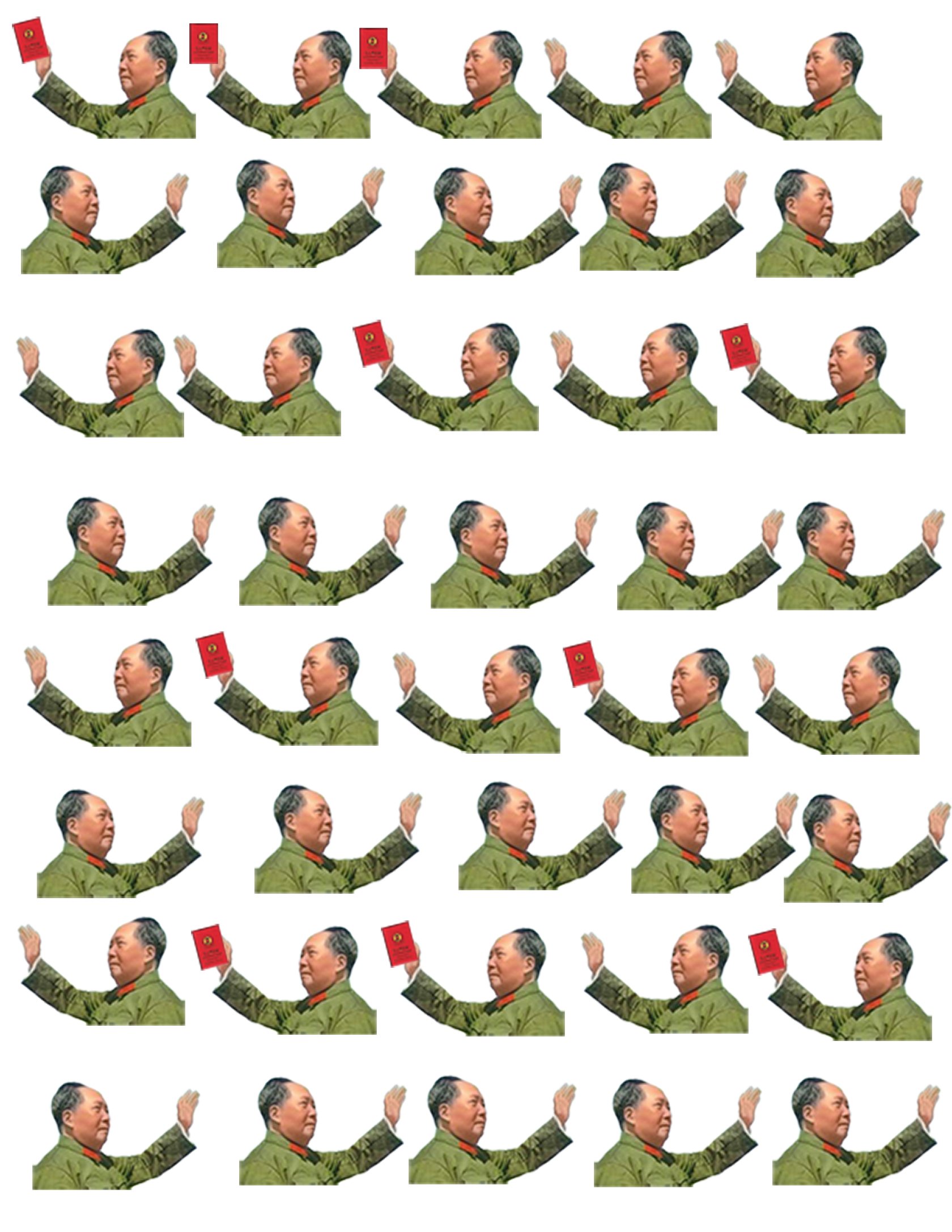
Her family had lived through the Cultural Revolution. Her parents, both teachers, had been sent to work in agricultural camps. Her grandfather, a professor and department head, had been treated severely.
She told me that her grandfather had been forced to marry a peasant woman. They worked in the fields, and she would read Mao's Little Red Book to him day after day. He came to hate Mao and what the Revolution had done to his life, his property and the cultural world he had known.
Years later, when I look at this series, I can see where some of those red books came from.
The scars - and different answers
What I saw and what people told me
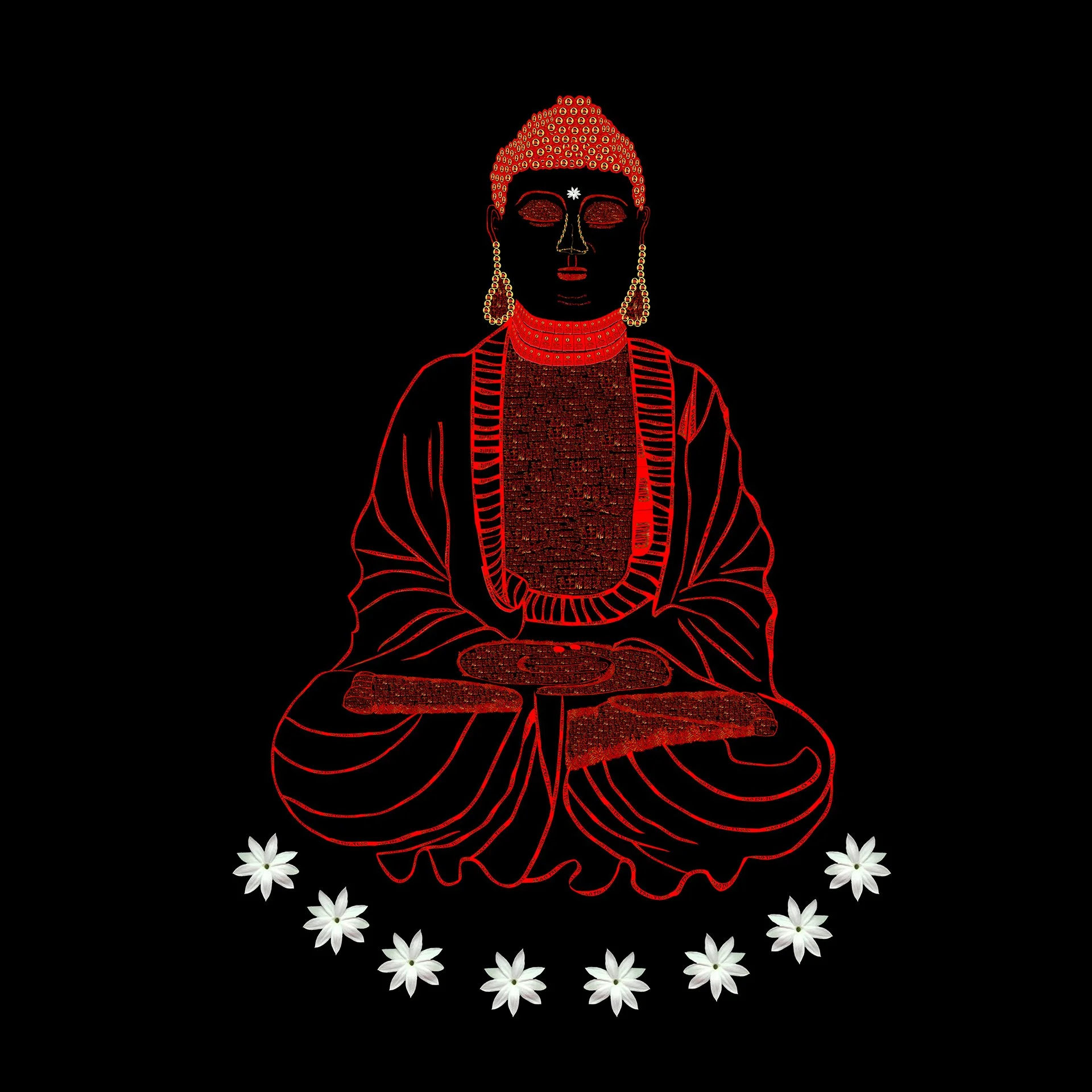
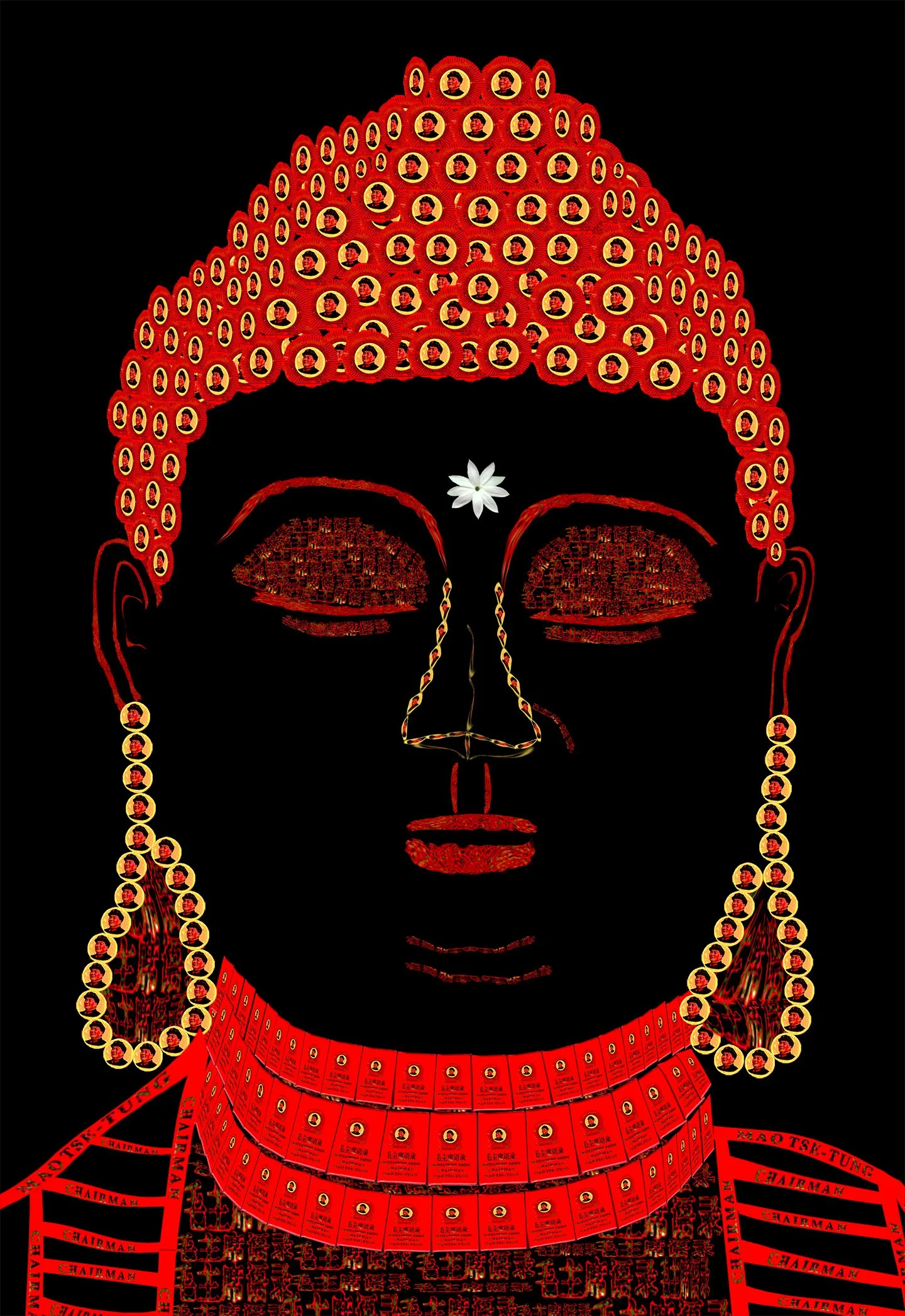
As I traveled through China, I saw evidence of some of what she was describing. At one extraordinary Buddhist site, carved into a cliffside, many of the figures had been damaged or defaced. Our guides explained that the destruction had taken place during the Cultural Revolution.
Another woman we met responded very differently: I just do whatever I am told. I don't fight it. A man we met during a period when China seemed to be opening said: We're finally allowed to think again. And then: I don't know how long this is going to last.
The trip did not give me one answer about freedom. It gave me several people living inside the question.
Ai Weiwei and the Democracy Wall
Artists, speech and the limits of freedom

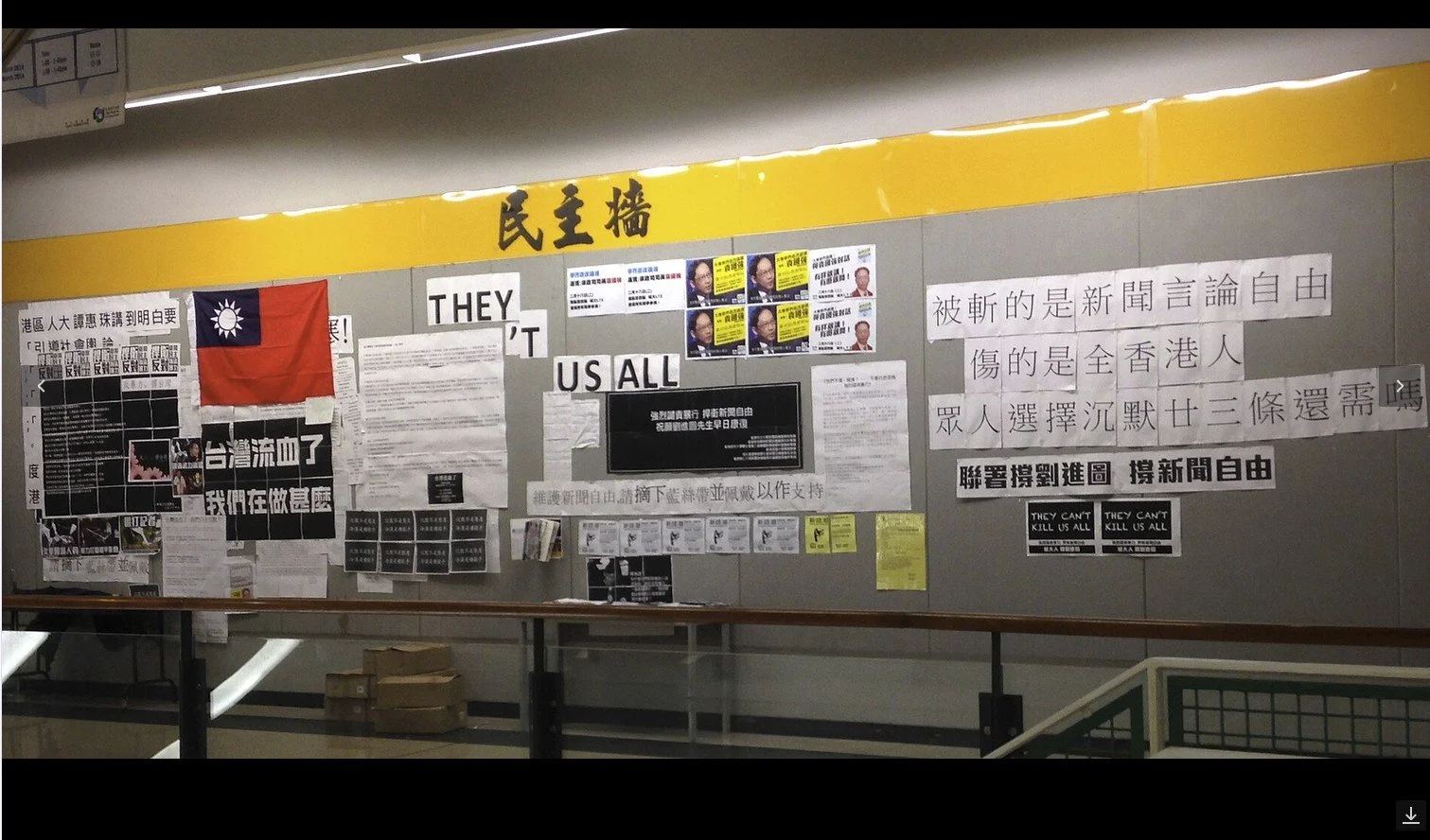
Democracy Wall, 2013
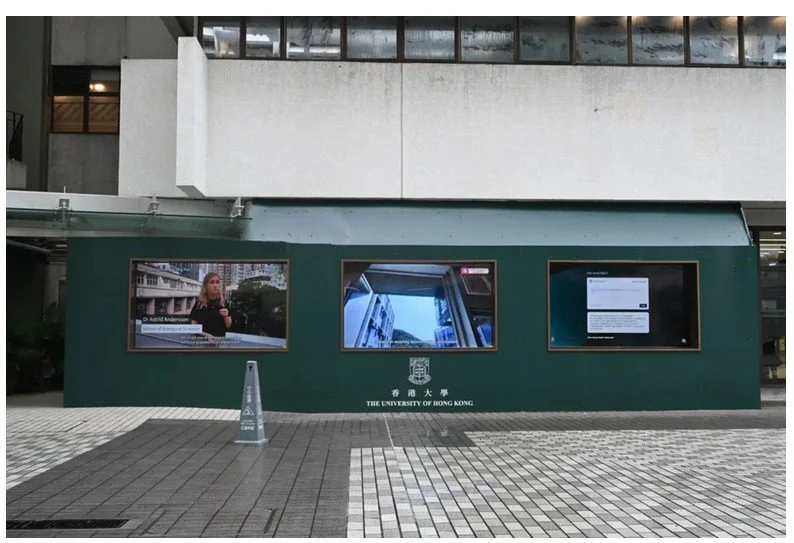
Replacement electronic displays, 2026
Ai Weiwei was very much on my mind. I thought of him as a cultural hero - an artist willing to challenge authority, even when there could be serious consequences.
On my way home, I stopped in Hong Kong. On a university campus I came across a Democracy Wall where students could publicly post their thoughts. Years later, I learned that one university wall had been stripped bare and replaced with university-controlled digital displays.
The wall where people spoke had become a wall that spoke to them.
A 33-foot question
The complete horizontal scroll
When I returned home, I began making pictures. The Great Firewall kept appearing as censorship, surveillance, propaganda, money, cultural memory and barriers between people and information.
The Democracy Wall idea stayed with me. I brought these images together into a scroll measuring 398 inches long and 14 inches high - 33 feet, 2 inches - with a wooden roller at each end.
I left open white spaces where people could write, draw and respond to the question themselves. The people answering the question would finish the piece.
WHAT IS FREEDOM?

CLICK THE SCROLL TO ENTER →
At that length, the work couldn't be taken in all at once. You had to move along it. Images appeared, disappeared and returned. I had made a work about freedom and planned to give up control of what it would become.
Later, I imagined an online Democracy Wall where people could respond from anywhere. That interactive version remained unfinished.
I made the scroll to ask the question, not to answer it.