AN UNBIASED MIND
Michael Cardacino
After the Buddha
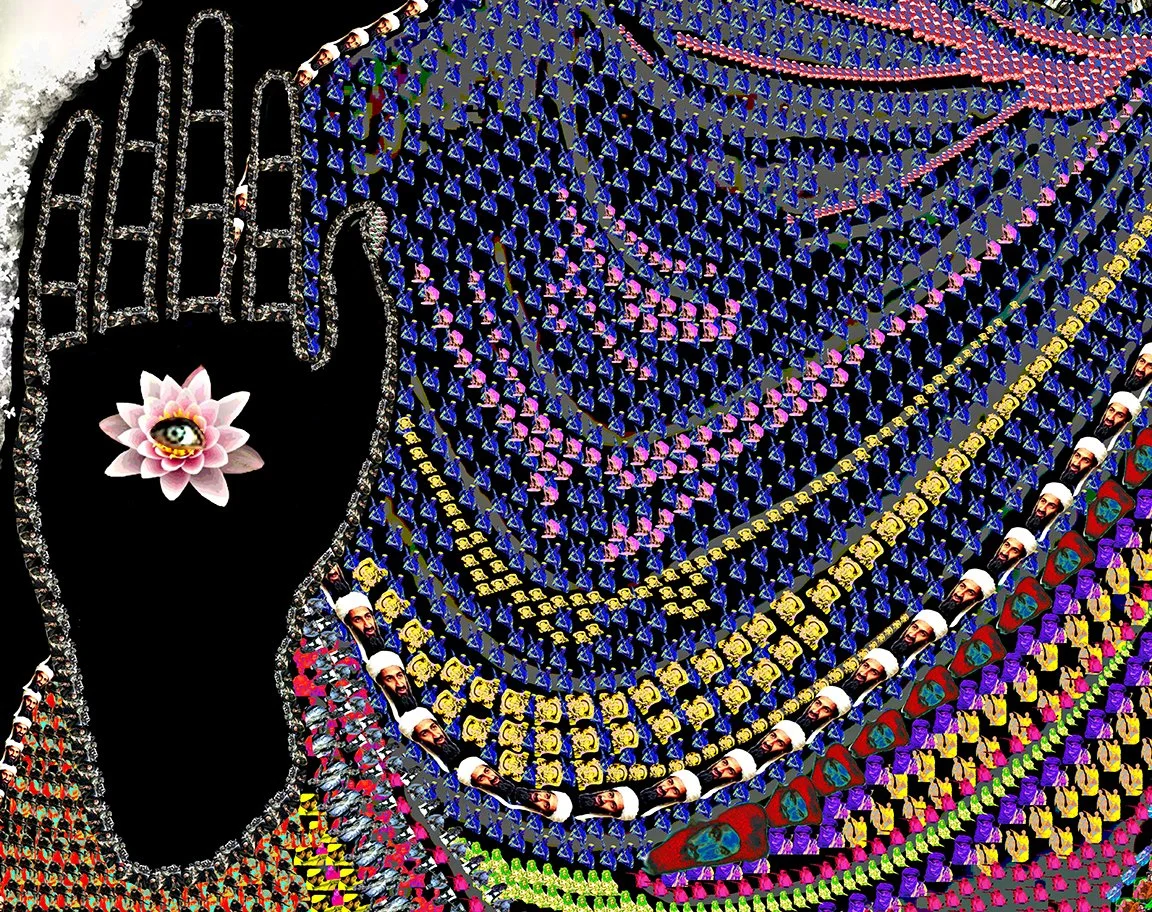
I had finished my large Bamiyan Valley Buddha and developed a way of building a figure from hundreds of images. For that work, I used photographs of the men who destroyed the Buddha.
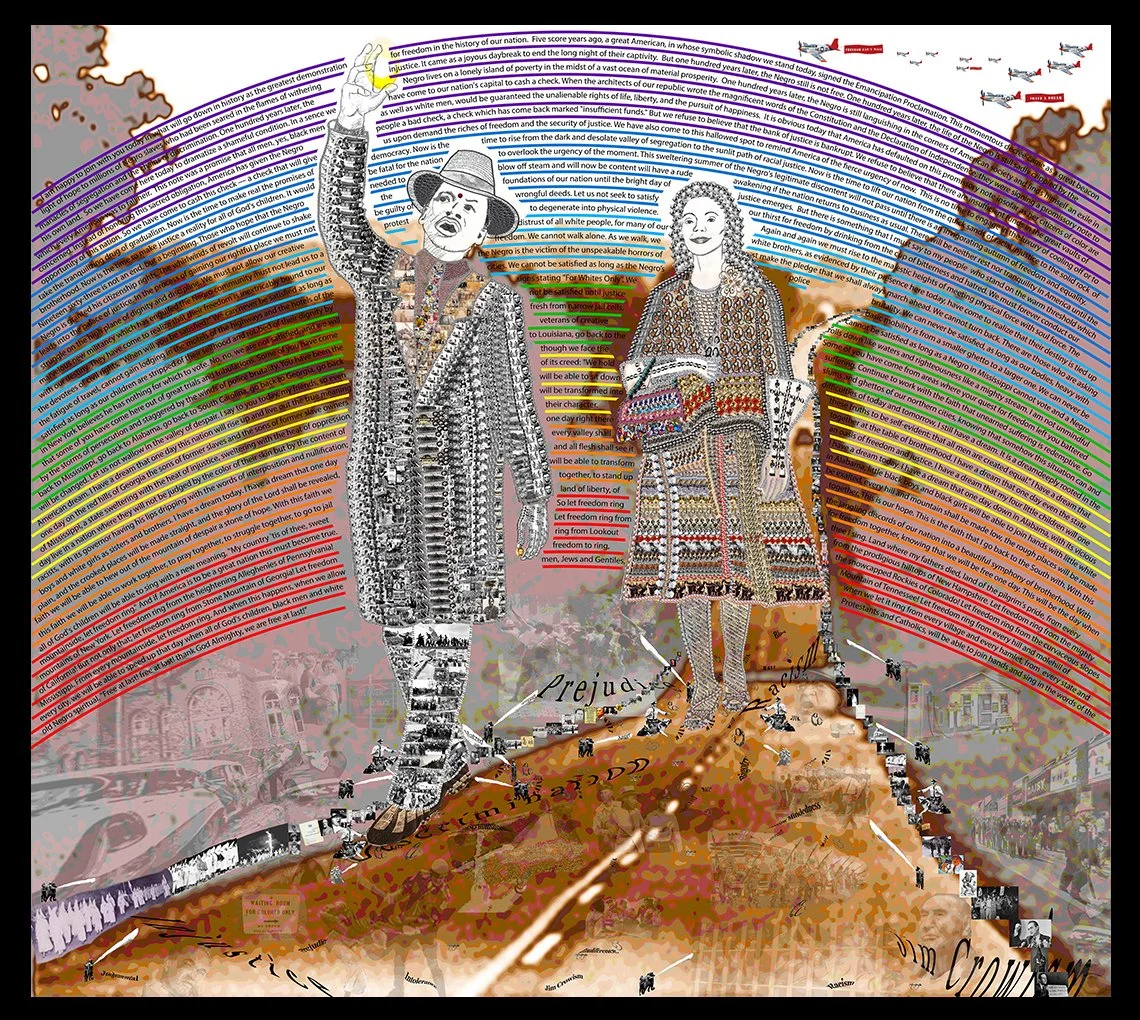
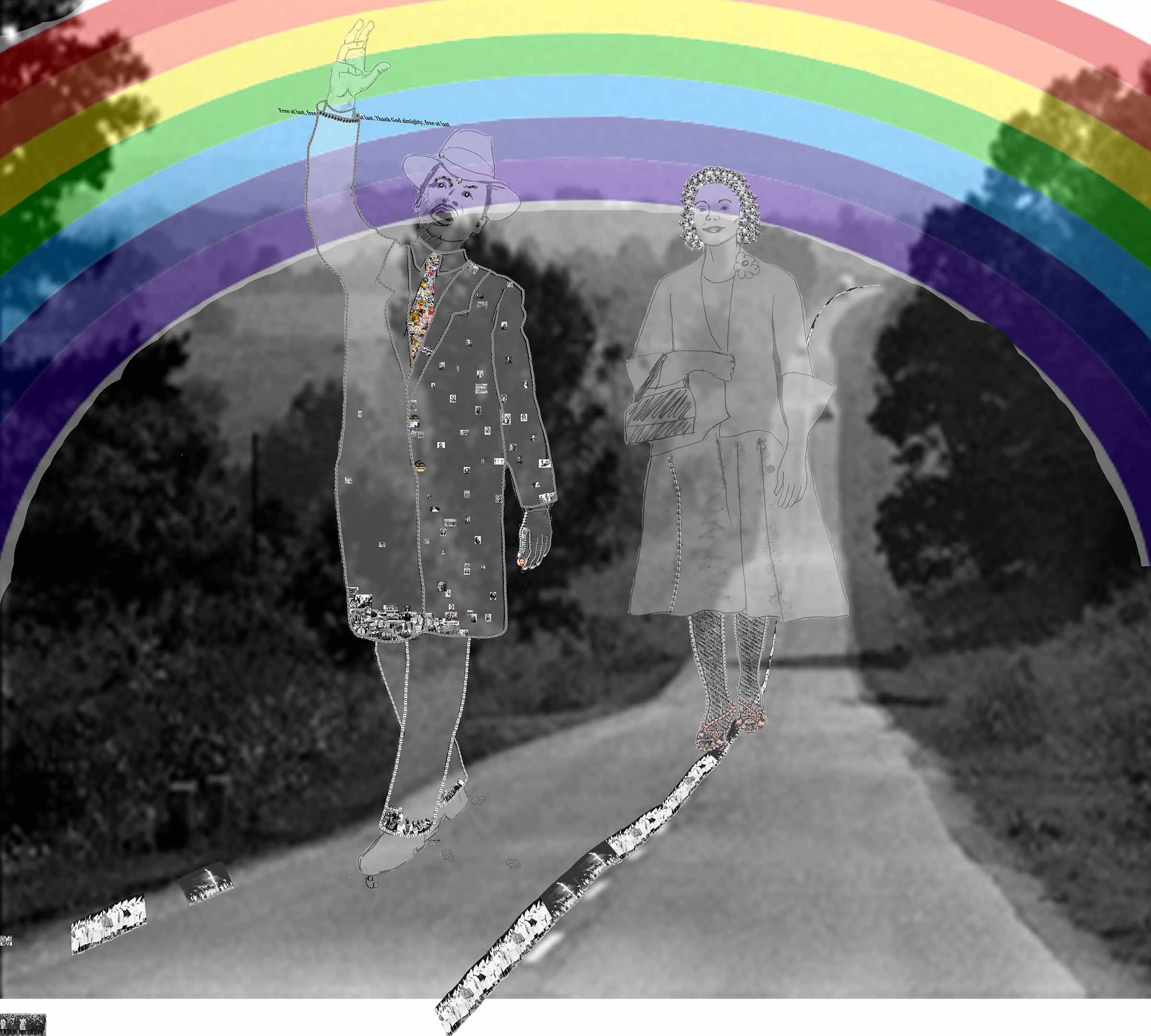
I began to wonder if I could build Dr. Martin Luther King Jr. and Coretta Scott King from the history of the struggle for civil rights.
A DIFFERENT KIND OF SCULPTURAL IMAGE
Not every Sculptural Image has to stand in the room. Here, the construction happens within the image itself.
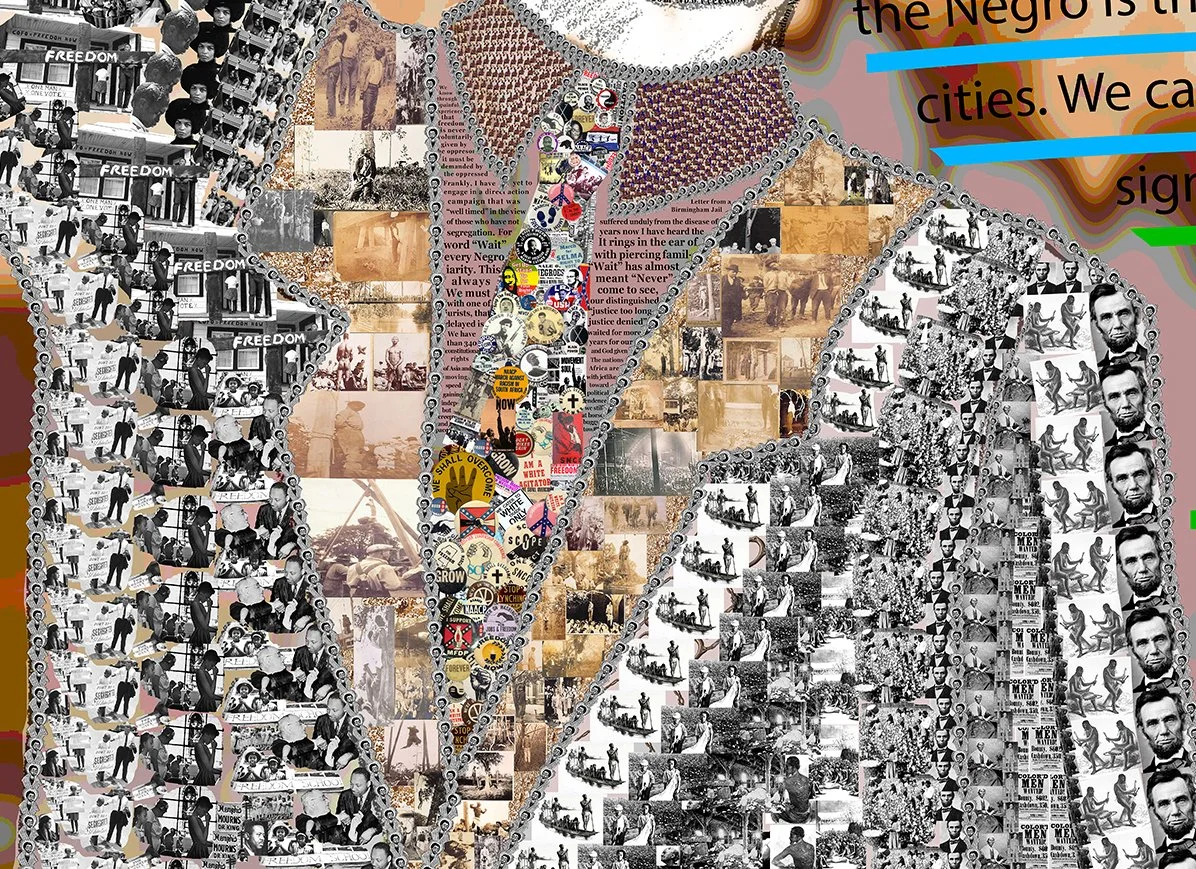
King and Coretta are built from hundreds of photographs drawn from the history surrounding them. From a distance, we see the figures. As we move closer, the figures open into hundreds of individual histories.
The photographs don't simply illustrate the sculpture. They become the sculpture.
Gathering the history
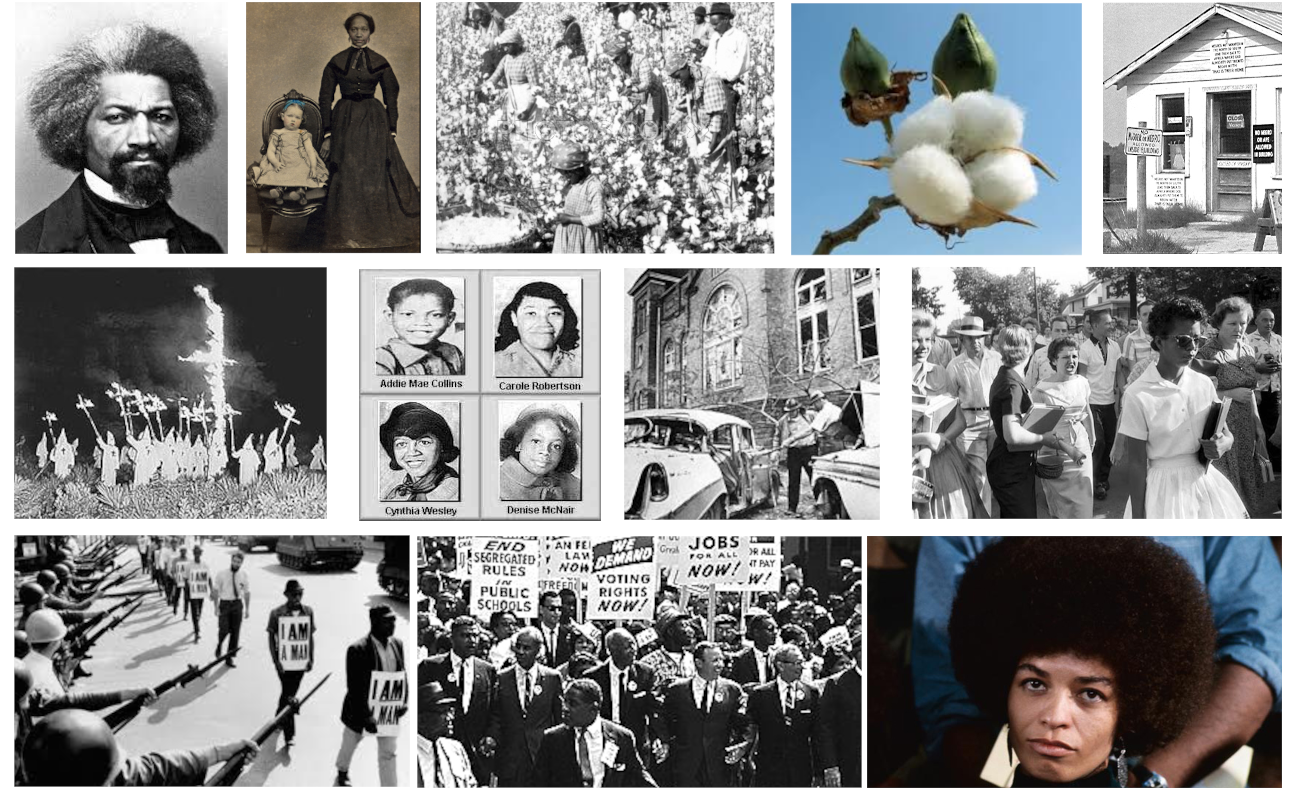
I began collecting the photographs that would make up the figures. I went further back - slavery, segregation, violence, resistance, and the people who fought to change it.
King followed Gandhi's practice of nonviolence - the refusal to answer hatred and violence with hatred and violence.
I began collecting the photographs that would make up the figures. I went further back - slavery, segregation, violence, resistance, and the people who fought to change it.
We inherit a history. We don't have to inherit its hatred.
Some days I broke down
There were times when I simply broke down and cried as I went through the history. It was painful. I felt sadness, compassion and anger. Everything came up while I was making it. I began to understand how brave the people in the civil rights movement were. They went out and marched knowing they could take a beating. And they went anyway.
The experience of making it became part of the work.
Go closer: Dr. King
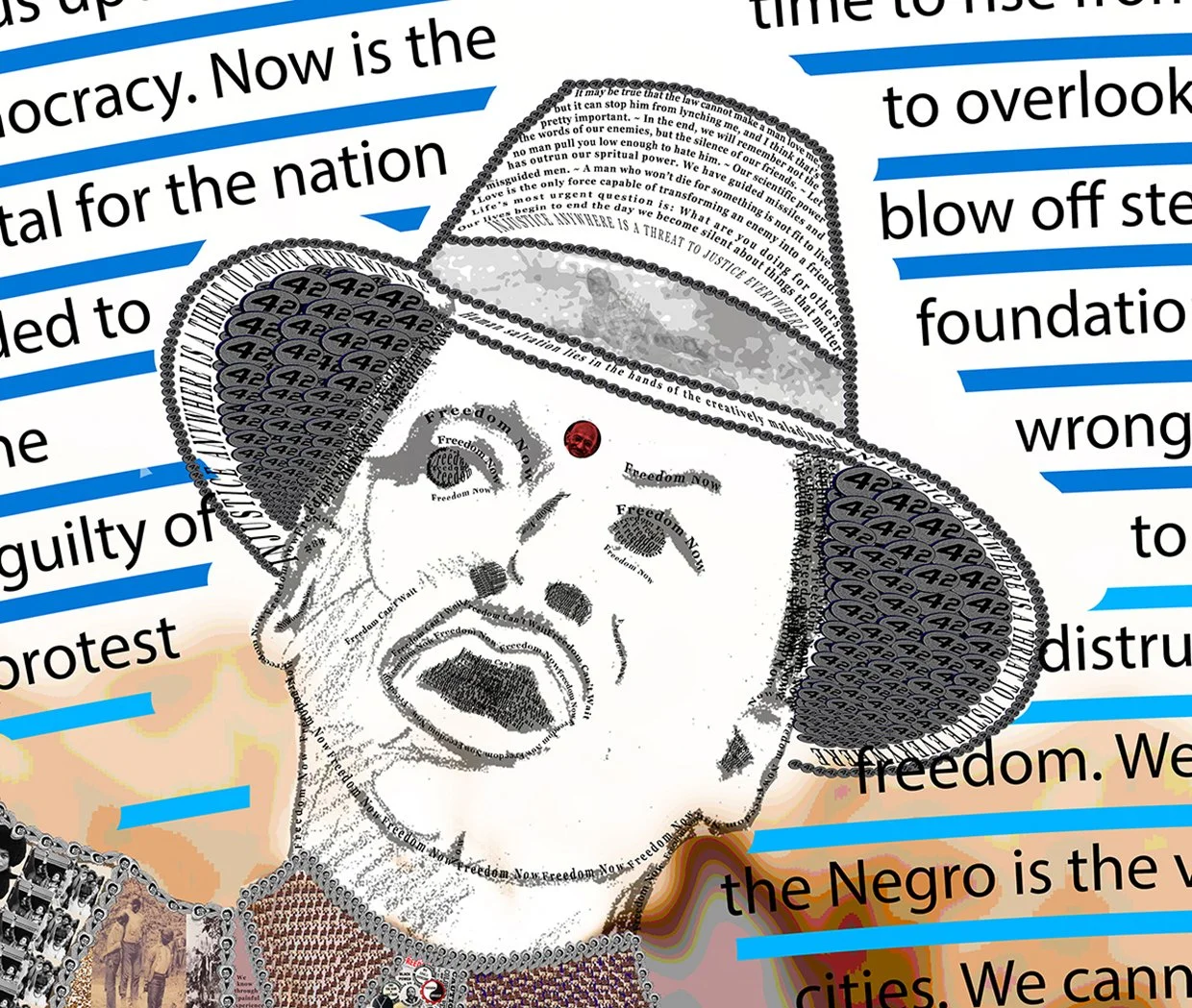
The words "Freedom Now" form his face. Gandhi appears as a tiny image on his forehead - a reminder of the practice of nonviolence King embraced: the refusal to answer hatred and violence with hatred and violence. His clothing carries photographs of the history I was studying. There is a Lincoln penny, and the edge of his coat is lined with images of a Black Jesus. Each detail opens another part of the story.
Coretta's bag of blues
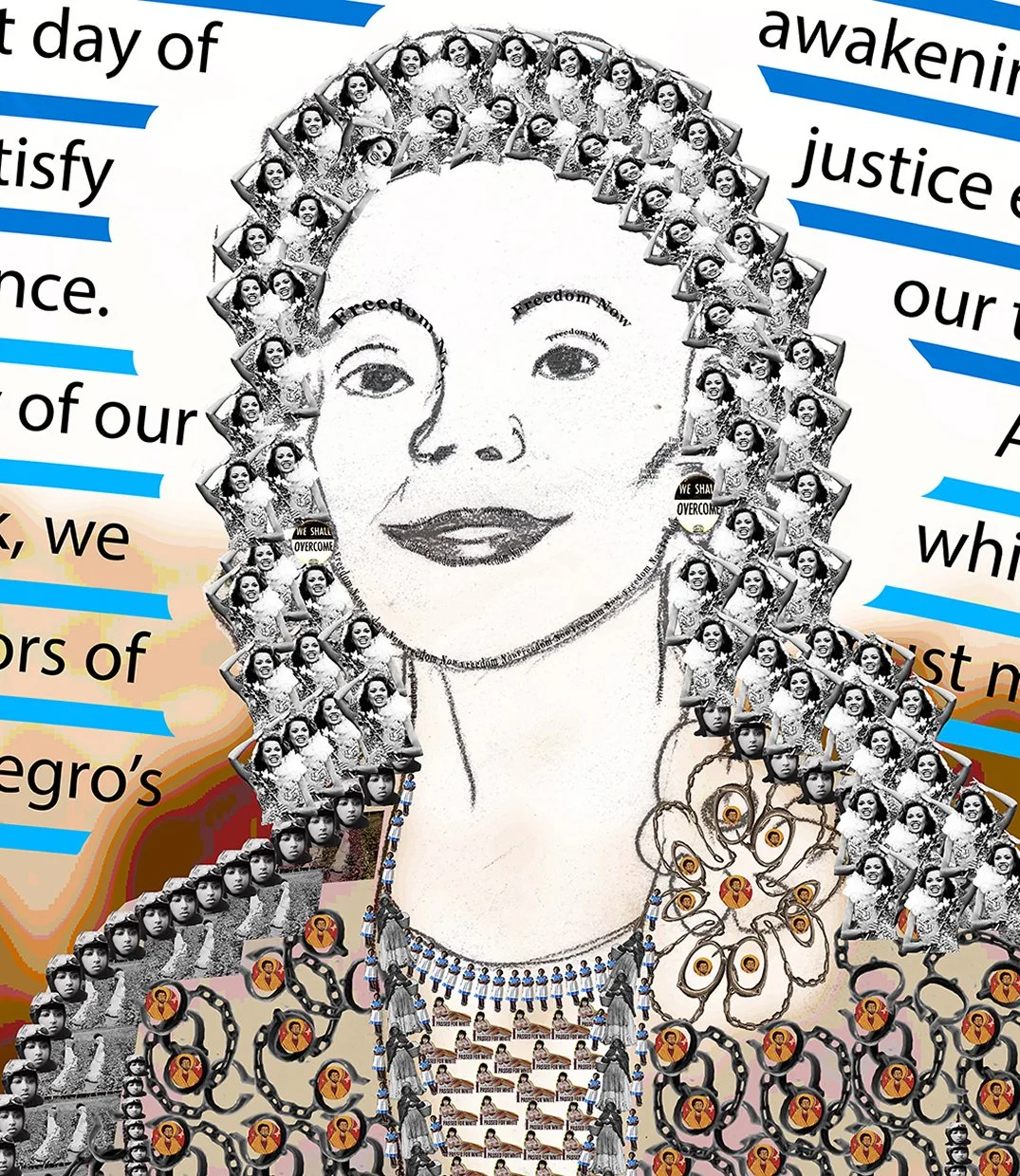
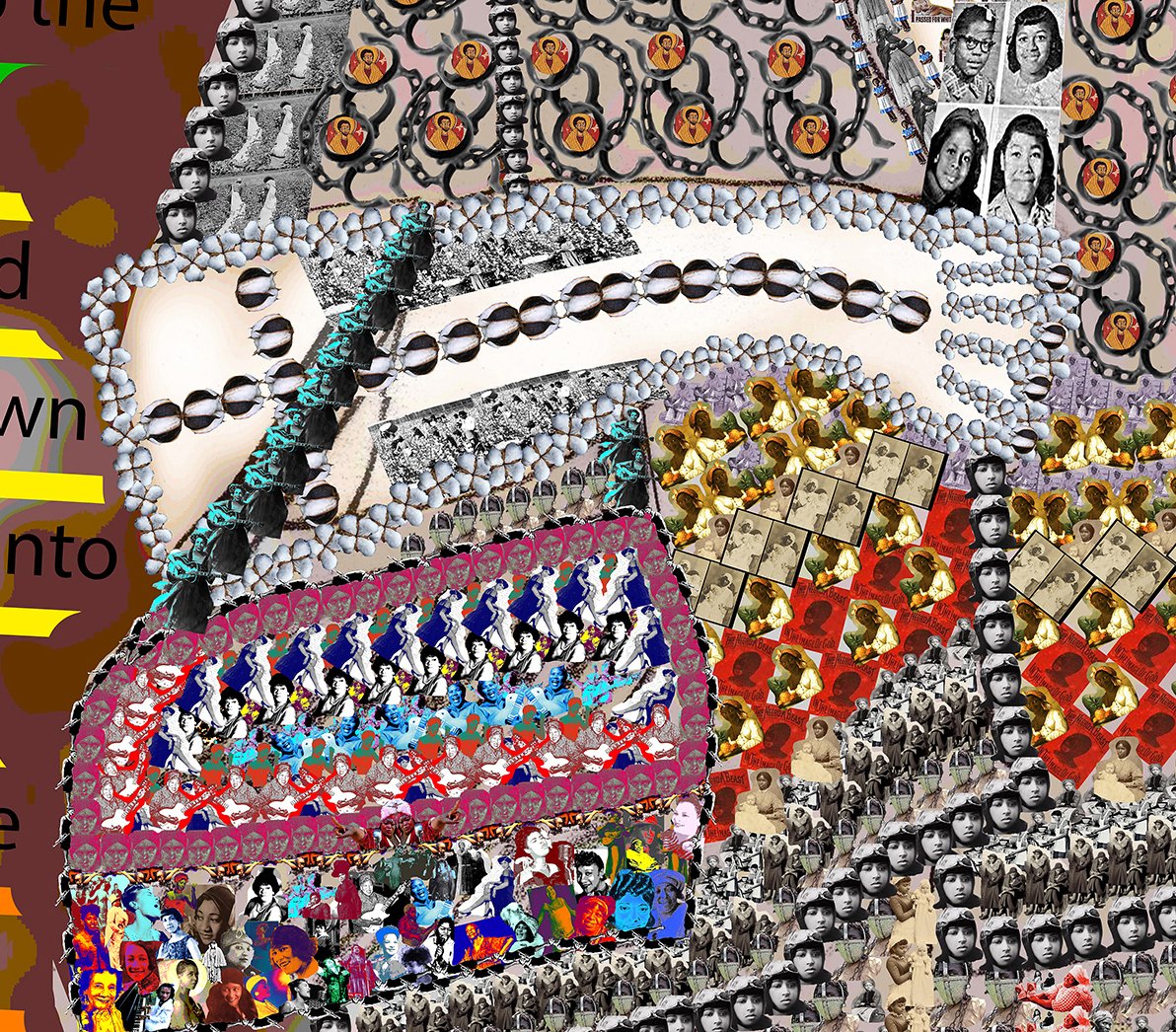
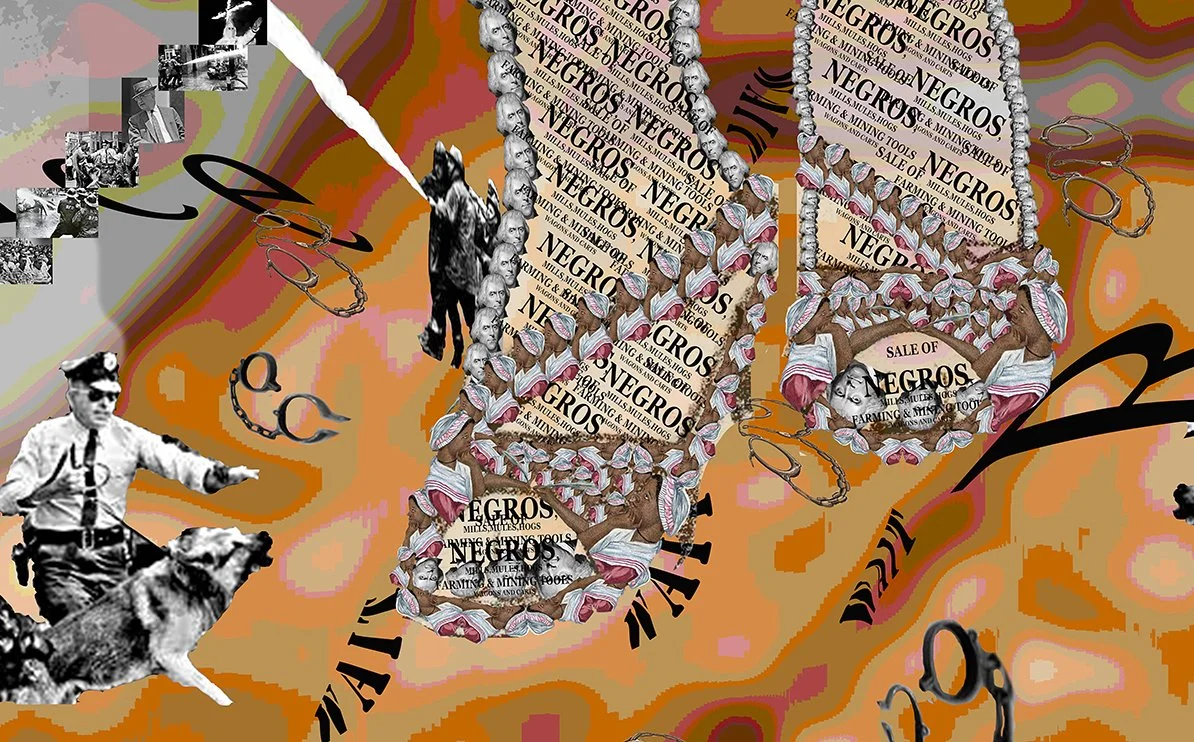
Cotton forms her gloves and outlines the figures. Look closer and the history gets harder - slave- sale notices, shackles and the machinery of slavery are embedded in the image. Cotton was commerce. Slavery was a business. Money, money, money.
Her hair contains images of the first Black Miss America. Her handbag is filled with blues women: her bag of blues. The four girls killed in the Birmingham church bombing appear in her hand.
Through the hateful gauntlet
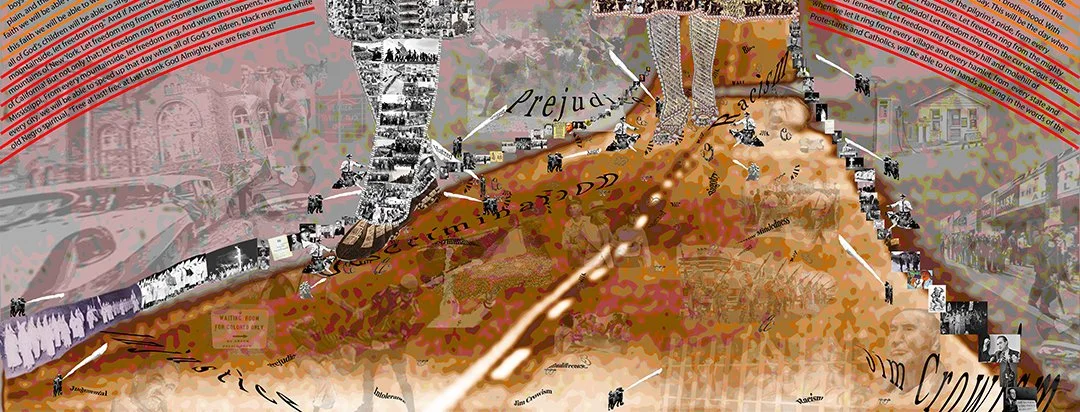
Their feet follow the road of the march to Montgomery, yet the Kings stand above the ground. Below them are police dogs, fire hoses, the Klan and tiny figures.
I made those figures small because of the smallness of their thinking. The Kings, and the movement, pass through the hateful gauntlet and rise above it.
The future he saw
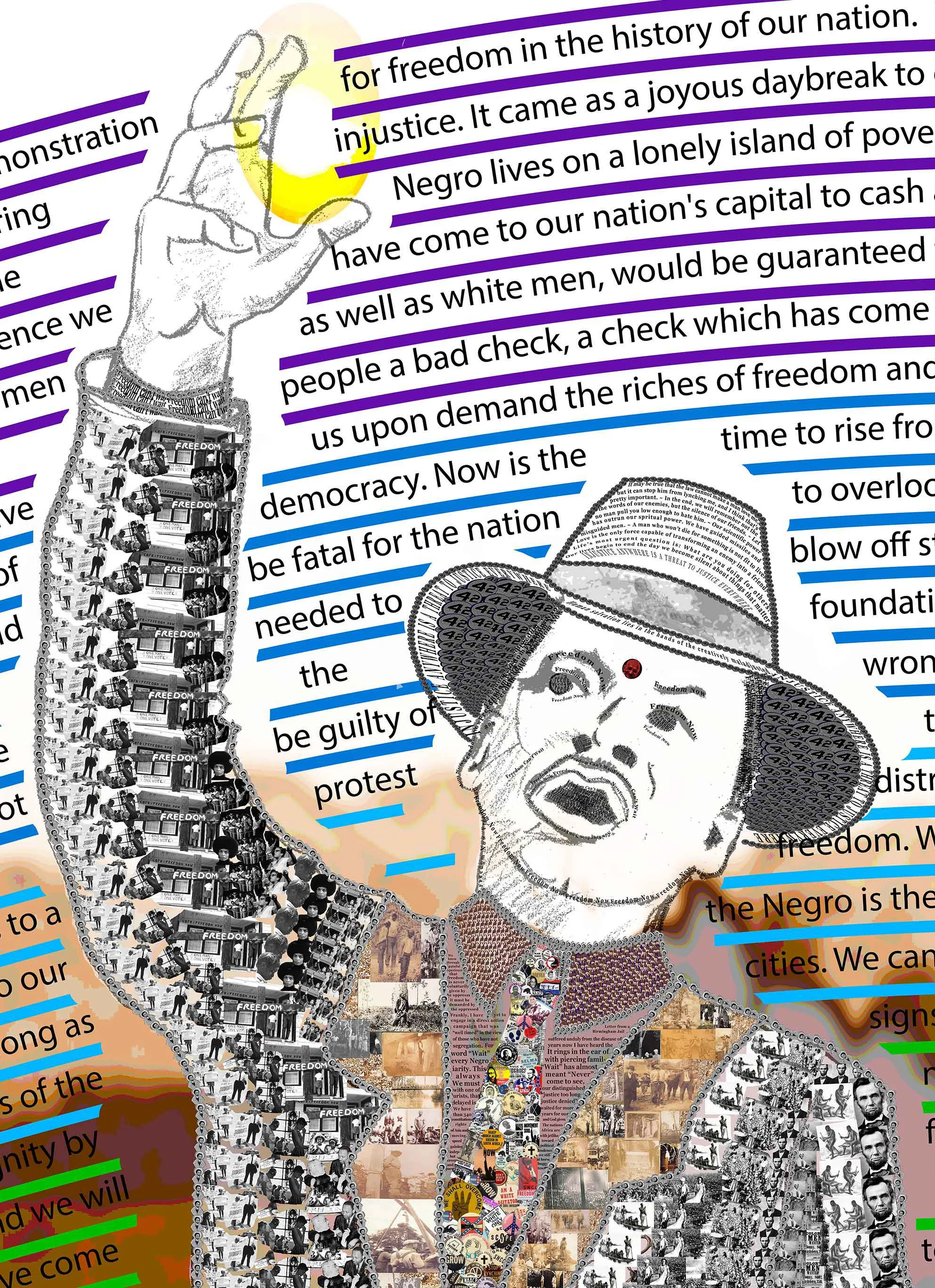
Dr. King raises his hand toward a glowing orb. I think of his final speech, when he said he had been to the mountaintop and had seen the Promised Land. Perhaps the light in his hand is something like that: the future he could see even if he might not live to reach it.
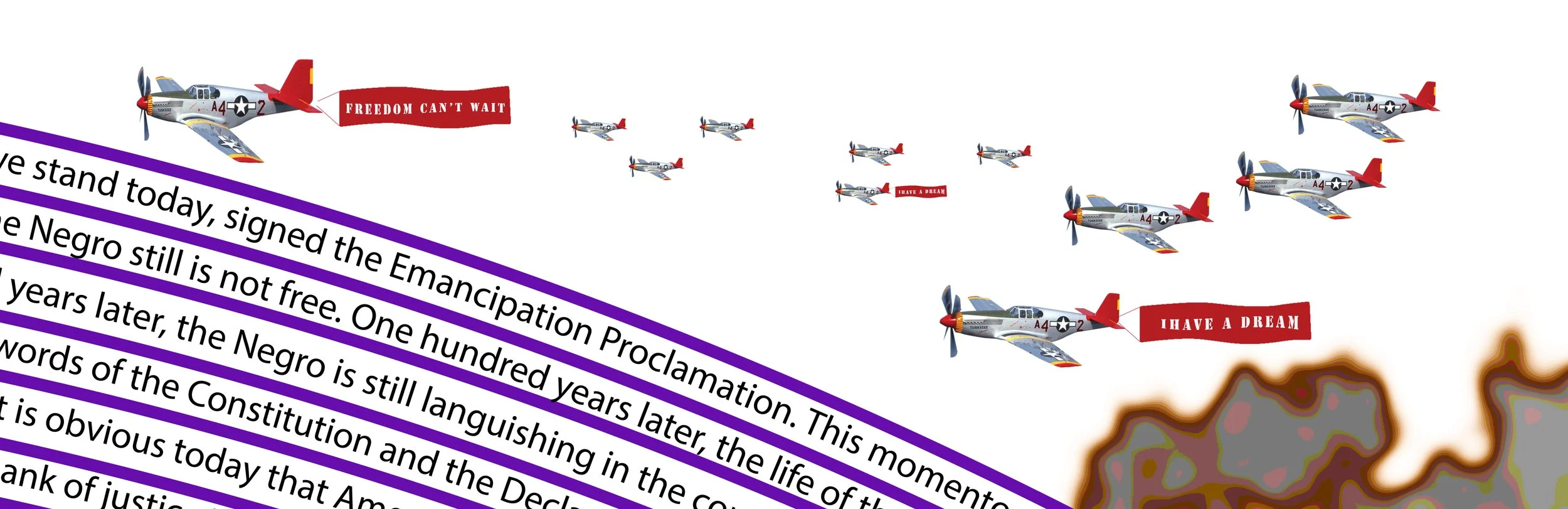
The Red Tails - the Tuskegee Airmen - were among the great American heroes of World War II. In the work, they become a kind of guardian angel watching over the cause. Their courage, leadership and commitment to country are part of the history that stands behind King.
THE WORK MEETS ITS AUDIENCE
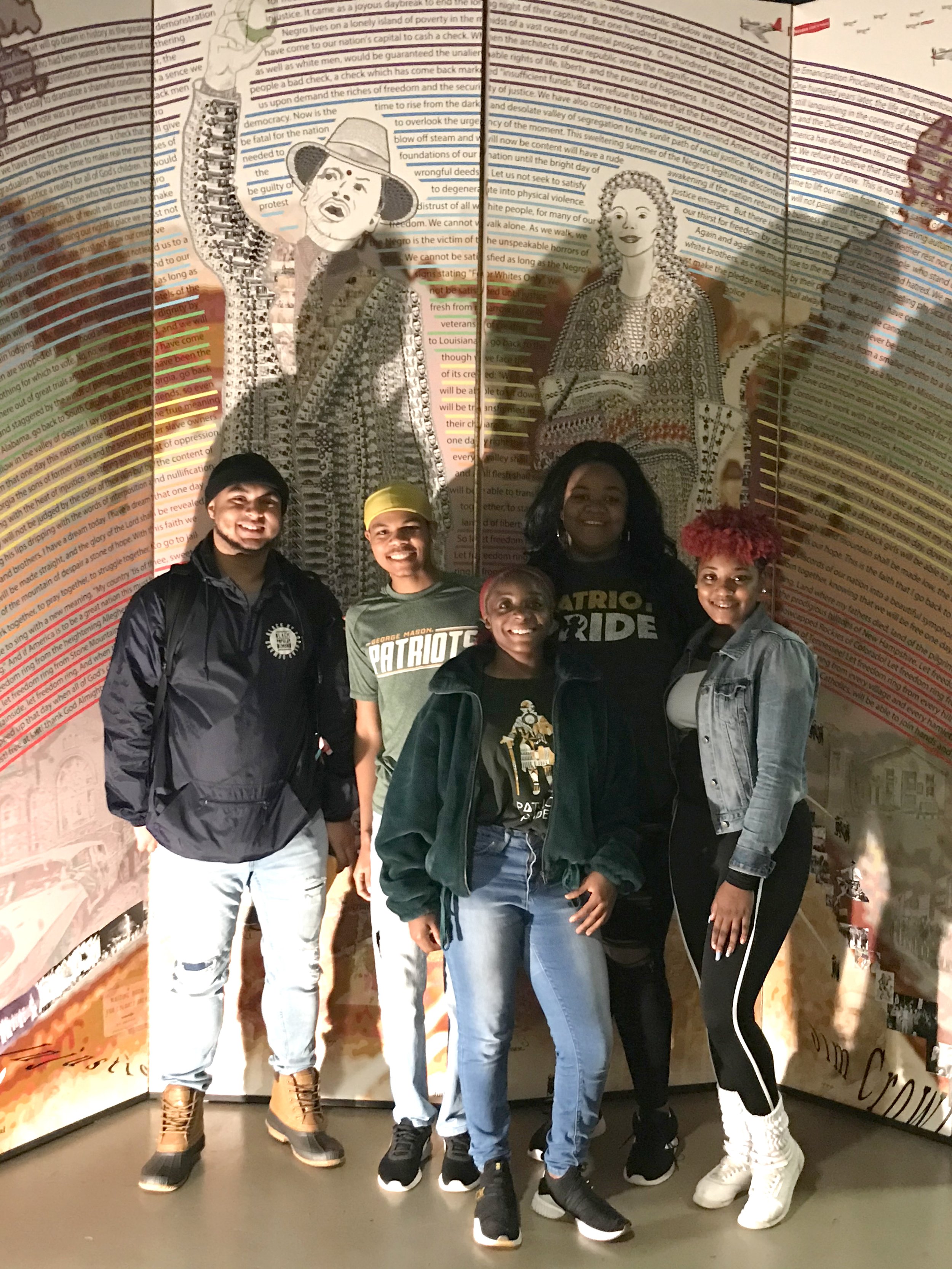
At George Mason University, students stopped to spend time with the work. It also moved beyond the exhibition space: a video made from the work was shown on the Jumbotron during a George Mason basketball game.
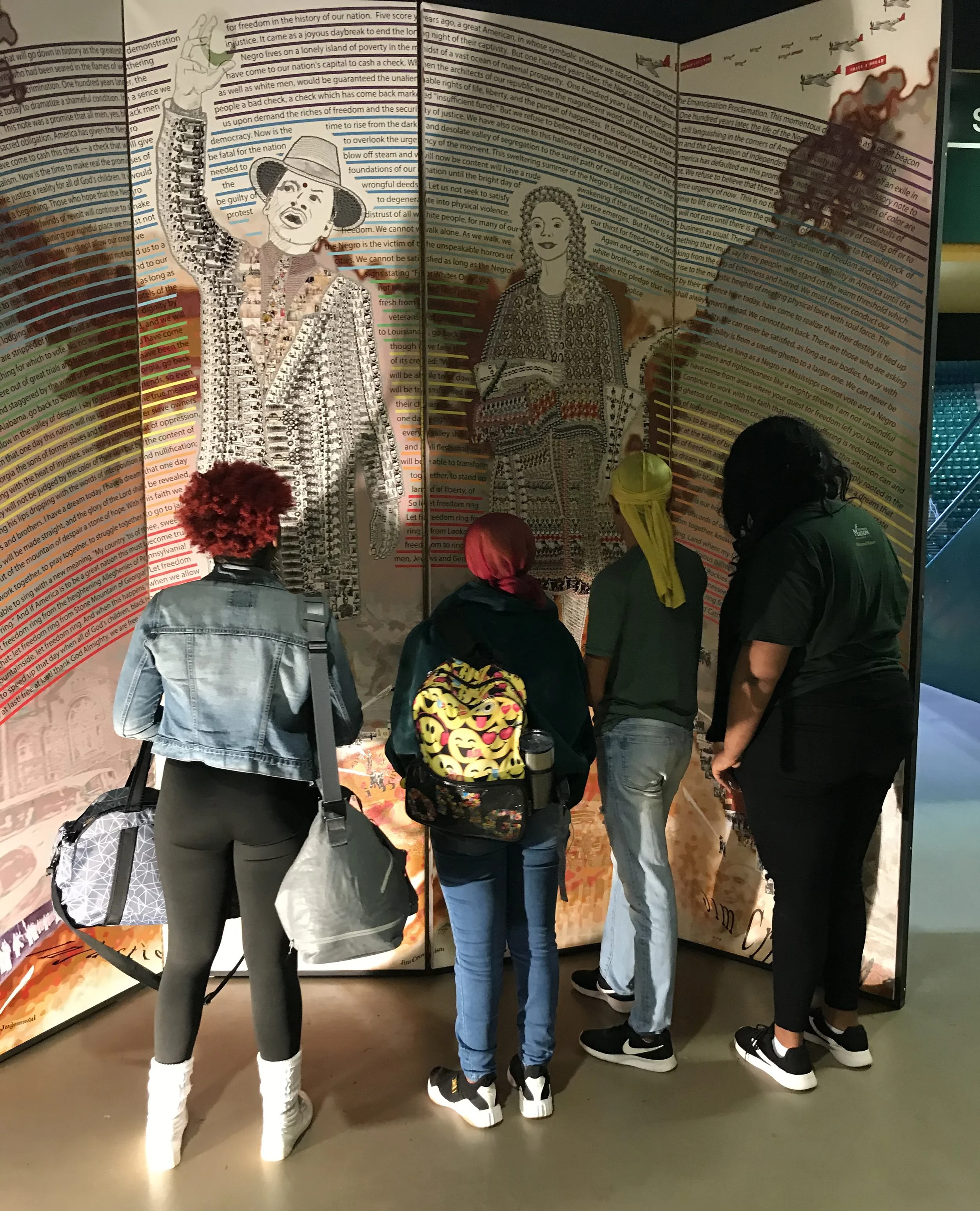
The artwork was finished. The conversation wasn't.